Best Bridal Makeup for Dry Skin
Dry skin is the most technically demanding skin type I work on as a bridal makeup artist. Oily skin has its challenges, but the fixes are straightforward: mattify, set, blot. Dry skin is different. If you get any step wrong, you see it immediately: flaking under foundation, patchiness on the cheeks, concealer settling into fine lines, powder sitting on the surface like dust. The entire approach needs to change. Products, techniques, layering order, even the setting method. This is how I handle dry skin on wedding days.
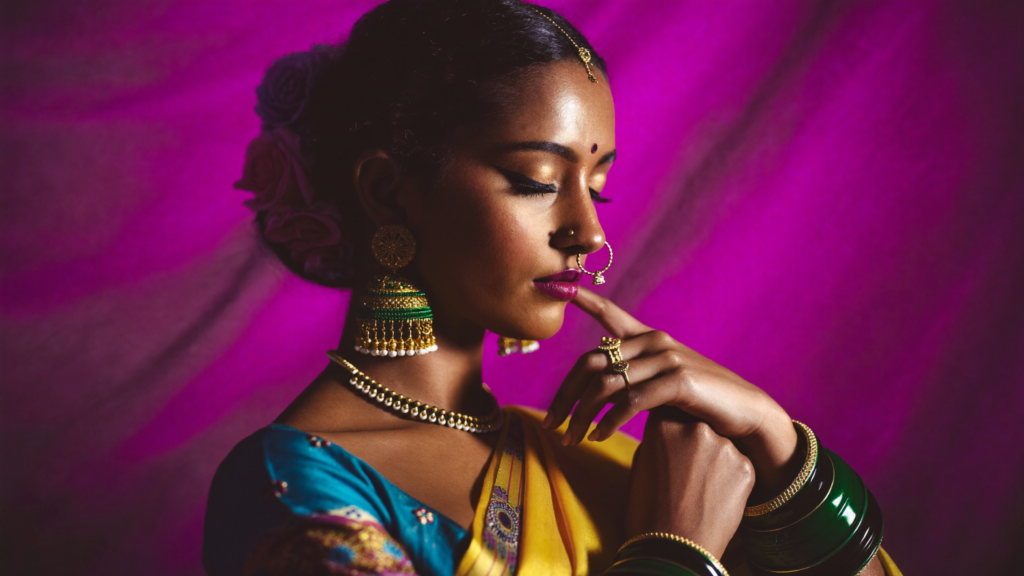
Quick answer: For dry skin, skip matte foundations and heavy powder. What works: hydrating skin prep in the months before the wedding, a dewy or satin-finish foundation, cream blush and highlighter instead of powders, minimal setting powder only where needed, and a hydrating setting spray. Done right, it lasts 10 to 12 hours without flaking.
Getting married in or around Navi Mumbai? I do half-face bridal trials free so you can test everything on your own skin before you decide. WhatsApp me to book a trial →
Why Dry Skin Needs a Different Bridal Makeup Approach
Dry skin lacks oil production, which means it does not hold onto products the way oily or combination skin does. Foundation can separate, powder emphasises texture, and the skin can look dull and flat under photography lighting. Standard bridal techniques that work on oily skin (heavy powdering, matte foundations, baking) will make dry skin look significantly worse.
The foundation of good bridal makeup on dry skin is not the makeup itself. It is the skin prep. If the skin underneath is dehydrated, tight, or flaky, no amount of product will fix it on the day. That is why I start my dry skin protocol long before the wedding morning. If your skin is dry and you are looking at bridal makeup in Navi Mumbai, the earlier we talk, the better.
Pre-Wedding Skin Prep (Start 3 to 6 Months Before)
I always discuss skincare during the consultation, well before the trial. For dry-skinned brides, I recommend the following routine:
Daily hydrating moisturiser. A cream-based moisturiser with hyaluronic acid, ceramides, or glycerin used morning and night. The goal is to build the skin’s moisture barrier over months so that by the wedding day, the skin holds hydration on its own. A bride who starts this 3 months out will have noticeably smoother skin at the trial than one who starts a week before.
Gentle chemical exfoliation once a week. A mild AHA (lactic acid or glycolic acid at low concentrations) removes dead skin buildup that causes flaking under foundation. I tell brides to stop all exfoliation 7 days before the wedding to avoid any sensitivity or redness on the day.
Facial oil at night. A lightweight facial oil (rosehip, squalane, or jojoba) applied as the last step in the nighttime routine. This seals in moisture overnight and creates a smoother surface for makeup. I have seen the difference this makes between brides who use it consistently for 2 months versus those who skip it.
No harsh scrubs or drying products. Salicylic acid face washes, alcohol-based toners, and physical scrubs with rough particles all strip moisture from dry skin. I ask dry-skinned brides to avoid these entirely in the months before the wedding.
Wedding Morning Skin Prep
On the wedding day, I spend more time on skin prep for dry-skinned brides than any other skin type. This step alone takes 15 to 20 minutes and is the single biggest factor in how the final look holds up.
Step 1: Gentle cleanser. A cream or milk cleanser that does not strip. No foaming cleansers, which remove the skin’s natural oils.
Step 2: Hydrating toner or essence. I pat a hydrating toner (not an astringent toner) onto the skin while it is still slightly damp. This locks in a first layer of moisture.
Step 3: Hyaluronic acid serum. Applied while the skin is damp. Hyaluronic acid pulls moisture into the skin and plumps it, which smooths fine lines and creates a better surface for foundation.
Step 4: Rich moisturiser. I use Charlotte Tilbury Magic Cream or a similar rich, emollient moisturiser. I press it into the skin rather than rubbing. On dry skin, this step cannot be skipped or replaced with a lightweight gel moisturiser, which does not provide enough barrier.
Step 5: Hydrating sheet mask (if time allows). For brides with very dry or dehydrated skin, I apply a hydrating sheet mask for 10 to 15 minutes while I set up my kit. This gives an instant plumping effect that lasts through the makeup application. I remove it and press the remaining serum into the skin without washing it off.
Step 6: Hydrating or illuminating primer. Not a mattifying primer. I use a primer with hydrating ingredients that creates a luminous, smooth base. This fills in dry patches and gives the foundation something to adhere to. I let the primer sit for 2 to 3 minutes before starting foundation.
Foundation: Dewy and Hydrating, Not Matte
Foundation choice is where most dry skin bridal looks go wrong. The wrong formula turns a carefully prepped base into a patchy, cakey surface within hours. My dewy finish bridal makeup page explains the look in more detail.
What I use: Liquid or cream foundations with a dewy, satin, or luminous finish. My go-to options for dry skin brides are Dior Forever Skin Glow (luminous, hydrating, medium-to-full coverage), NARS Sheer Glow (natural, lightweight, satin finish), and Dior Backstage Face and Body (water-based, skin-like finish for brides who want lighter coverage).
What I avoid: Matte foundations, powder foundations, and anything labelled “oil-control” or “mattifying.” Estee Lauder Double Wear, which I use frequently on oily skin, is too drying for most dry-skinned brides unless I mix it with a hydrating primer or facial oil drop. I also avoid any foundation with a heavy powder finish.
Application technique: I apply with a damp beauty sponge rather than a brush. The damp sponge presses the foundation into the skin and gives a smoother, more skin-like finish. Brushes can drag on dry patches and emphasise texture. I build coverage in thin layers, adding more only where needed (typically the centre of the face and around the nose), rather than applying full coverage everywhere.
The facial oil mixing technique: For brides with very dry skin, I mix one drop of facial oil (squalane or rosehip) into the foundation on the back of my hand before applying. This adds hydration to the formula itself and gives a more dewy, comfortable finish. The look stays luminous for hours without the skin feeling tight.
Concealer: Creamy and Hydrating
Dry under-eye areas are one of the hardest spots to manage in bridal makeup. The skin is thin, it creases easily, and dry patches catch concealer in the worst way for close-up photography.
What I use: NARS Radiant Creamy Concealer is my standard for dry skin. It is hydrating, blendable, and does not settle into fine lines as quickly as matte concealers. For extra hydration, I sometimes mix a tiny amount of eye cream into the concealer before application.
Application: I apply concealer in an inverted triangle under the eye, then press it in with a damp sponge. Pressing, not swiping. Swiping moves the product off dry areas and concentrates it in creases. I set the under-eye with the lightest possible dusting of finely milled powder, using Laura Mercier Translucent Powder. Heavy powder under the eyes on dry skin creates an instant aging effect that is very difficult to fix mid-wedding.
Cream Products Over Powder Products
This is the most important technique shift for dry skin bridal makeup. Powder products sit on the surface of dry skin and emphasise every dry patch and flake. Cream products melt into the skin and move with it, creating a natural, seamless finish.
Cream blush instead of powder blush. I use Rare Beauty Soft Pinch Liquid Blush or a cream blush applied with fingertips before any setting powder. The warmth of the fingers helps the product blend into the skin. The result looks like a natural flush from within rather than a stripe of colour on top.
Cream contour instead of powder contour. I contour with a cream product, blending with a damp sponge, then lightly setting with translucent powder only on the areas that tend to move (smile lines, jawline). The contour stays in place without the dry, muddy look that powder contour creates on dehydrated skin.
Cream or liquid highlighter instead of powder highlighter. I use Charlotte Tilbury Flawless Filter or a liquid highlighter applied to the cheekbones, nose bridge, and cupid’s bow before setting. This gives a lit-from-within glow that looks natural on dry skin. Powder highlighters can cling to dry patches and look textured rather than luminous.
The layering order: Primer, foundation, cream blush, cream contour, cream highlighter, then a very light setting with translucent powder only on the T-zone and under-eyes. Powder eyeshadow goes on last. This cream-first approach is the opposite of what I do on oily skin, and it makes a dramatic difference in how the final look photographs on dry complexions.
Setting: Minimal Powder, Maximum Spray
Setting dry skin is the step where most people overcorrect. The instinct is to set everything with powder to make it last. On dry skin, this creates a flat, cakey appearance that photographs terribly and feels uncomfortable by hour three.
Powder only where needed. I set only the T-zone (forehead, nose, chin) and under-eyes with a finely milled translucent powder. The outer cheeks, jawline, and temples stay un-powdered, allowing the natural luminosity of the cream products to show through. This is intentional. On dry skin, a slight sheen on the outer face looks healthy and radiant in photos, not oily.
Setting spray as the primary hold. I rely on a hydrating setting spray (not a matte one) to lock everything in place. I spray in an X-pattern from about 8 inches away and let it dry without touching the face. The setting spray melds the powder and cream layers together, creating a unified finish. On dry skin, the spray also reactivates the hydrating products underneath, which keeps the skin looking fresh rather than dry and tight.
What I avoid: Baking (letting thick powder sit on the skin). Heavy all-over powdering. Matte setting sprays. Powder touch-ups throughout the day. If a dry-skinned bride needs a touch-up mid-wedding, I use a hydrating mist or a tiny amount of cream product, never additional powder.
Eye and Lip Makeup for Dry Skin
Eyes: I always use an eye primer on dry lids because eyeshadow creases faster on dehydrated skin than on oily skin (despite what most people assume). Cream eyeshadow bases give a smoother application than powder-only looks. For the lid colour, I apply a cream shadow or a shimmer shadow with a damp brush, which presses the pigment into the lid rather than dusting it on top. Shimmer and satin finishes are more forgiving on dry eyelids than mattes, which can look patchy.
Lips: Dry lips are common with dry skin, and bridal lip colours need to survive hours. I start with a gentle lip scrub during skin prep to remove any flaking. Then I apply a hydrating lip balm and let it absorb for 10 minutes while I work on the face. Before applying lipstick, I blot the balm (do not wipe it off) and line the full lip with liner. I choose satin or creamy-matte lipstick formulas rather than liquid mattes, which are drying. Fully matte liquid lipsticks crack and flake on dry lips within 2 hours, which defeats the purpose. A satin formula like Charlotte Tilbury Matte Revolution or MAC Satin provides the staying power without the dehydrating effect.
Products I Use on Dry Skin Brides
Here is the actual product lineup from my kit for dry skin bridal work:
This lineup changes slightly based on individual skin behaviour (which I assess during the trial), but it represents my standard dry skin bridal approach. To see how your own skin takes these products, start with my free half-face trial.
Frequently Asked Questions
What is the best foundation for dry skin bridal makeup?
Liquid or cream foundations with a dewy or satin finish. Dior Forever Skin Glow, NARS Sheer Glow, and Dior Backstage Face and Body are my go-to choices. Avoid matte, oil-control, or powder foundations. Apply with a damp beauty sponge in thin layers for the most natural finish.
Should I use powder on dry skin for bridal makeup?
Minimal powder only. Set only the T-zone and under-eyes with a finely milled translucent powder. Leave the outer cheeks un-powdered. Use a hydrating setting spray as the primary hold. Avoid baking, heavy powdering, or matte setting sprays, all of which emphasise dryness and create a cakey look.
How do I prevent bridal makeup from looking patchy on dry skin?
Start with intensive skin prep: hydrating serum, rich moisturiser, and illuminating primer. Use cream-based blush, contour, and highlighter instead of powder. Apply foundation with a damp sponge in thin layers. Mix a drop of facial oil into the foundation for extra hydration. Set with spray rather than powder.
Can bridal makeup last all day on dry skin?
Yes, with the right products and technique. Cream-based products, hydrating foundations, minimal powder, and a good setting spray can keep dry skin bridal makeup intact for 10 to 12 hours. The key is the skin prep in the months before the wedding and the layering technique on the day.
What lipstick works best on dry lips for a wedding?
Satin or creamy-matte formulas. Charlotte Tilbury Matte Revolution and MAC Satin lipsticks provide staying power without cracking. Avoid fully matte liquid lipsticks, which dehydrate dry lips and flake within 2 hours. Always prep lips with a scrub and hydrating balm before application.
How should I prepare my dry skin before bridal makeup?
Start a hydrating skincare routine 3 to 6 months before the wedding: daily moisturiser with hyaluronic acid, weekly gentle AHA exfoliation, and nightly facial oil. On the wedding morning, use a cream cleanser, hydrating serum, rich moisturiser, and illuminating primer. A sheet mask before makeup adds instant plumpness.
Book Your Bridal Makeup Trial
During the trial, I assess your skin type, test hydrating foundations and cream products on your skin, and build the look on one half of your face, customised for dry skin durability. Share your wedding date and I will confirm availability.
★★★★★ 5.0 on Google · 27 five-star reviews from real brides